
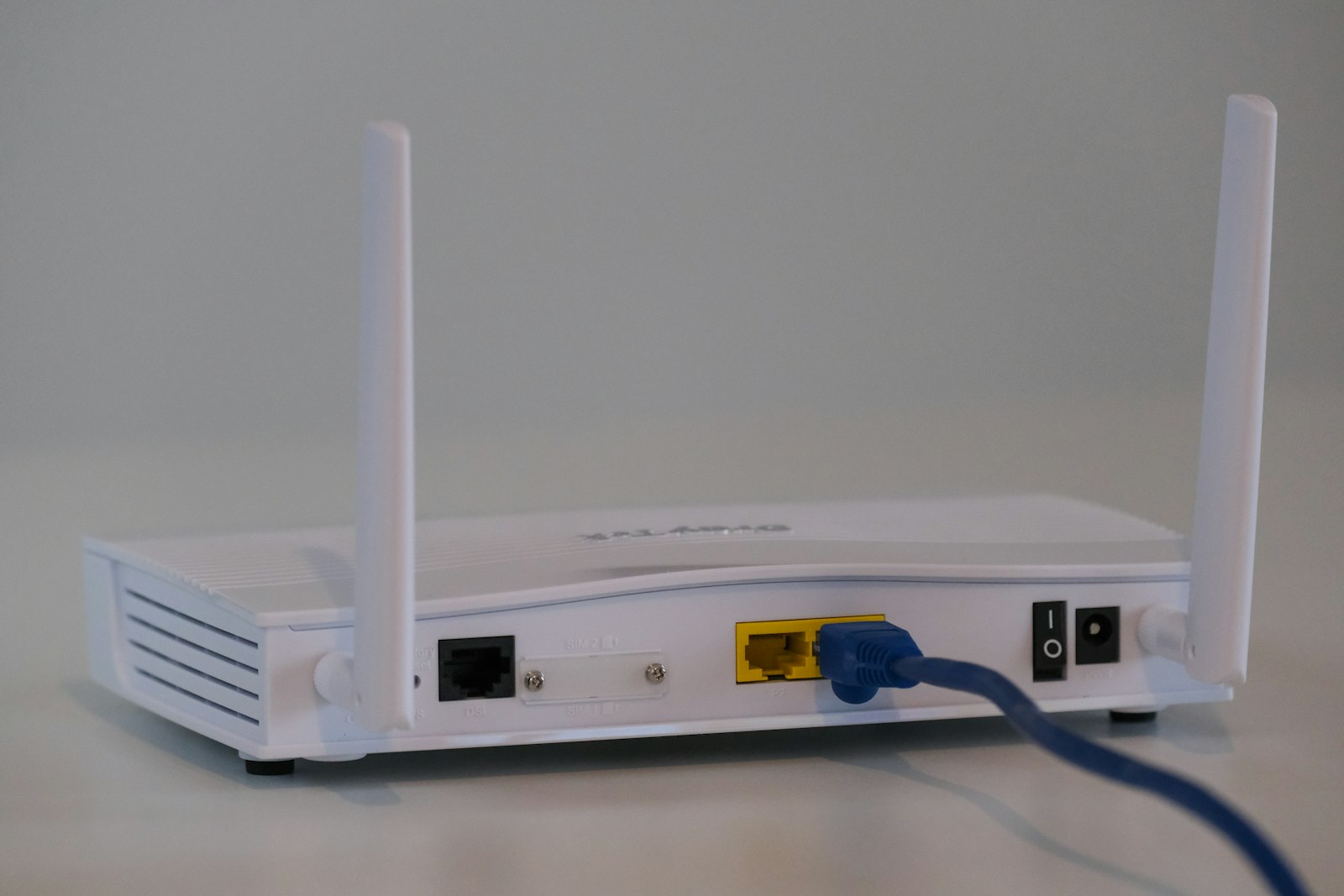
Most offices we visit in Arusha have outgrown the connection they started with. A single 4G router that was fine for three people struggles once ten staff are on video calls, cloud accounting and WhatsApp Web at the same time.
Before comparing prices, it helps to understand what each type of connection actually offers.
Fibre
Where it is available, fibre is the most stable option. Speeds are consistent through the day, latency is low and the line is not affected by weather. The trade-offs are installation time, which can take weeks if trenching or poles are needed, and coverage, which is still limited to certain streets and business areas.
Fixed wireless
Fixed wireless uses an antenna on your roof pointed at the provider's tower. It is often the practical choice for offices just outside fibre coverage. Performance depends on a clear line of sight, so trees, new buildings and heavy rain can all play a part. Ask the provider for a site survey before you sign.
4G and 5G routers
Mobile data routers are quick to set up and easy to move, which makes them useful for new or temporary offices. Speeds vary with network load and signal strength, and data caps or fair-use limits can make them expensive for busy teams.
What we recommend checking
- How many people and devices will use the connection at peak times
- Whether you rely on video calls or large uploads, which need good upload speed, not just download
- The provider's support hours and how fast they respond to faults
- Whether a cheaper second connection from another provider would keep you working during an outage
For many small offices the best setup is a primary connection plus an inexpensive backup from a different provider, with a router that switches over automatically. It costs less than a day of lost work.